Who Owns the Future of Power in Idaho?
Why a Quiet Federal Decision Could Shape Your Electric Bill for Decades
Most Idahoans never hear about the Federal Energy Regulatory Commission, known as FERC. Yet on November 4, 2025, that little-known agency approved a deal that could change who controls Idaho’s electric grid and how much Idaho families pay for power.
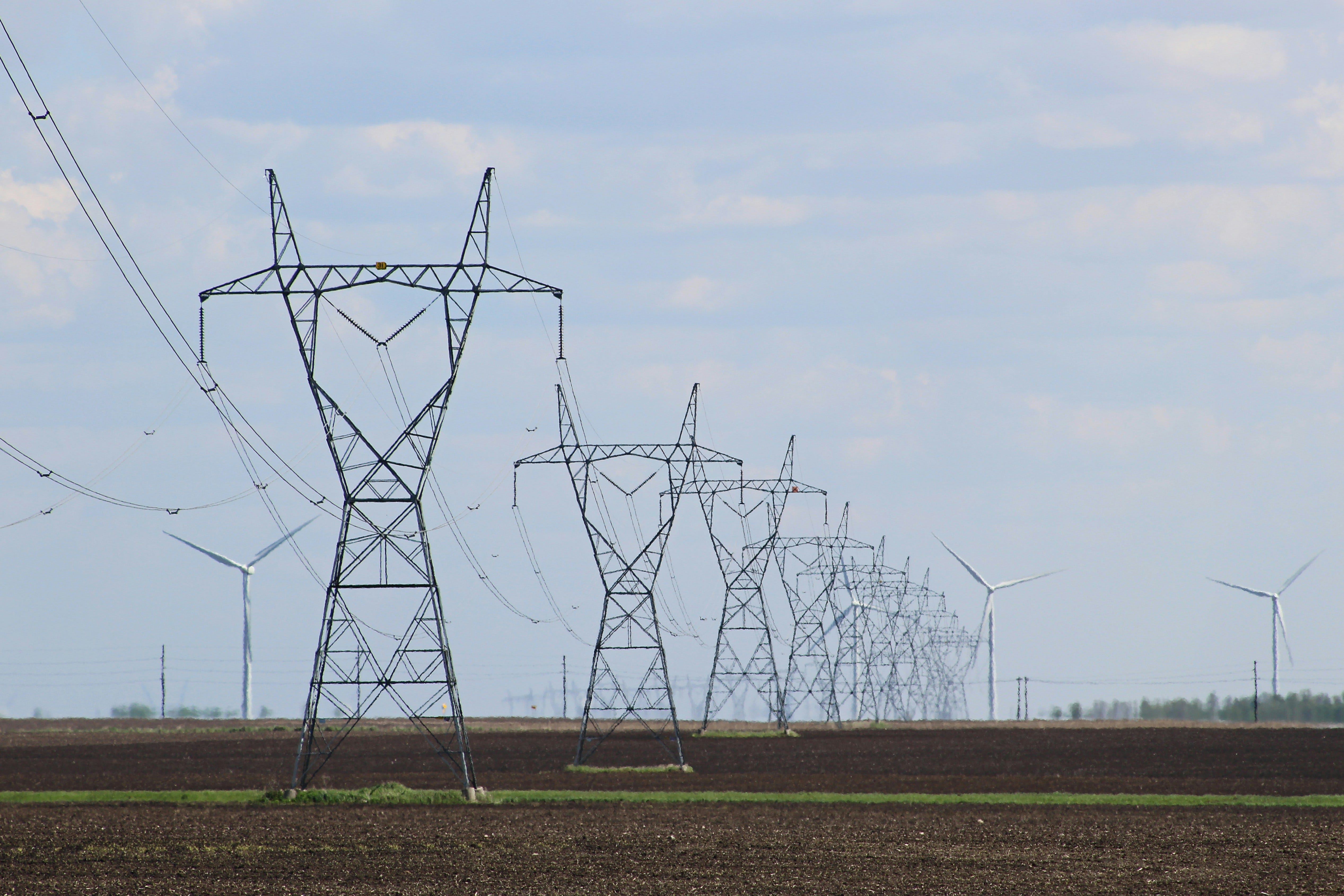
The ruling, officially titled 193 FERC ¶ 61,094 (https://elibrary.ferc.gov/eLibrary/#), gives federal approval to a partnership between Idaho Power and LS Power, a private developer based out of state, to co-own the Southwest Intertie Project North or SWIP-N. This high-voltage transmission line will stretch 285 miles from Nevada to southern Idaho and link directly into the California power network.
The decision sounds technical, but it carries major implications. It allows Idaho Power to begin investing in and leasing capacity on a regional “superhighway” for electricity that connects Idaho’s grid to California’s system, while leaving many oversight questions unresolved. It also positions LS Power to maintain long-term control through its complex web of corporate affiliates.
For the public, this means higher stakes than most realize. The decision determines who owns the power lines that cross Idaho’s land, who profits from their use, and ultimately who pays when costs are passed down to customers.
What FERC Approved and What It Means For the Affected Parties
FERC accepted the Participation and Joint Ownership Agreement between Idaho Power Company, Great Basin Transmission, and GBT Northbound, all linked to the SWIP-N project. The order lets Idaho Power buy a partial ownership stake and lease 500 megawatts of transmission capacity for forty years. LS Power, through its affiliates, keeps majority control.
The line will connect Idaho’s Midpoint Substation near Shoshone to Nevada’s Robinson Summit Substation, where it joins the existing One Nevada Line. Together, they will form a 2,000-megawatt pathway for electricity moving between Idaho, Nevada, and California.
FERC found the agreement lawful and “just and reasonable,” but declined to rule on two crucial issues: whether LS Power’s affiliate GBT Northbound qualifies as a “public utility” subject to federal oversight, and whether Idaho Power and LS Power are corporate affiliates. Those questions were postponed for a later review, leaving the project’s true governance partially undefined.
LS Power
LS Power remains the controlling force behind the project. It owns both Great Basin Transmission and GBT Northbound. Idaho Power assumes operational duties and cost exposure, while LS Power retains financial control and flexibility. Because FERC refused to classify GBT Northbound as a jurisdictional utility, LS Power continues to operate outside the normal public-utility transparency rules.
Result: LS Power keeps command over a multistate transmission asset with limited public accountability, while Idaho Power and its customers take on long-term costs.
Idaho Power
Idaho Power gains access to regional transmission but also inherits financial and political risk. The company still needs the Idaho Public Utilities Commission (IPUC) to approve cost recovery before charging customers for its share. Once operational, Idaho Power can seek a fifty-basis-point rate-of-return increase tied to the project’s connection to California’s grid operator, CAISO.
Result: Idaho Power now has federal permission to invest, but Idaho ratepayers may carry the burden for decades through higher base rates or transmission surcharges.
CAISO
The California Independent System Operator benefits indirectly. The project extends its reach into the northern Intermountain West, giving California greater access to imported energy without building new infrastructure. CAISO’s operational control could also trigger rate incentives for utilities that connect through its network.
Result: California gains access to Idaho’s power corridor while Idaho loses a measure of energy independence.
Idaho Public Utilities Commission
The IPUC is the final gatekeeper for cost recovery, but the federal decision comes first. FERC’s approval places the state commission in a reactive position. Idaho Power can now argue that state delay risks federal noncompliance or financial penalties.
Result: The IPUC must decide whether the project truly serves Idaho customers or primarily benefits outside markets. Its ruling will determine if Idaho families fund the line through their bills.
Minidoka Pilgrimage Planning Commission
The MPPC opposed the filing, citing unresolved state and local reviews. FERC rejected the protest but granted MPPC full intervention rights. That means the group remains part of the official record and can appeal or participate in future hearings.
Result: MPPC preserved its voice in the process but could not slow federal approval. Local and cultural concerns remain secondary to federal momentum.
Idaho Ratepayers
Idaho families stand to pay for construction, leasing, and incentive costs that stretch over forty years. These costs could appear in future rate cases even though the line primarily serves regional and interstate markets rather than local demand.
Result: Idahoans may subsidize a project that exports energy out of state while reducing the state’s control over its own grid.
How Does this Affect Governance and Accountability?
FERC, the Idaho PUC, and local governments each have authority over different parts of the project, yet none have complete control. This separation allows large developers to secure federal approval, then use it to pressure state and local bodies into compliance. Once one level of government approves, the others face growing difficulty reversing course.
Result: Corporate projects advance step by step while public oversight fragments. Local consent becomes a procedural formality rather than a safeguard.
The Cost-Recovery Question
When Idaho Power seeks cost recovery from the IPUC, it will point to FERC’s approval as proof of legitimacy. Unless state regulators resist, those costs could include the company’s equity share, lease payments, incentive adders, and operating expenses. The cumulative effect may be rate hikes that last for generations.
Conclusion
FERC’s ruling on SWIP-N was quiet, technical, and easy to miss, yet it marks a turning point in Idaho’s energy governance. LS Power keeps control. Idaho Power gains participation but also long-term financial obligations. CAISO strengthens its western reach. The Idaho PUC must now decide whether Idahoans should pay for it all.
This decision matters because it reveals a growing pattern: national energy corporations advancing complex projects one approval at a time while local oversight struggles to keep up. Idaho’s citizens, commissioners, and legislators must now ask a simple question before the towers rise across their horizon: Who truly owns Idaho’s power future, and who will be paying for it?
Related
© 2025 Jeff A Pierson
Sources
- Originally published on Substack: https://jeffapierson.substack.com/p/who-owns-idahos-power-future